Ever wish your morning coffee, waterfront walk, and dinner plans were all within a few easy blocks of home? In St. Petersburg, that kind of car-light lifestyle is not just a vacation idea. It is a realistic daily rhythm if you choose the right neighborhood and housing type. If you are weighing a move, you want clear guidance on where walkability clusters, what homes cost near those blocks, and how to vet things like flood zones, transit options, and condo rules. This guide gives you the local overview and the buyer checks you should use to make a confident choice. Let’s dive in.
What walkable living means in St. Pete
Walkable living in St. Petersburg centers on a simple test: can you reach a coffee shop, a few restaurants, a daily-market or grocery option, a park or waterfront path, and one or two cultural stops on foot or by a short bike or e-scooter ride? In the city’s core, many addresses pass that test.
Downtown and adjacent neighborhoods often score in the Very Walkable to Walker’s Paradise range on Walk Score’s St. Petersburg map. In practical terms, that translates into short daily loops along the waterfront, easy access to Beach Drive dining, and a steady calendar of museums and public events.
Walkability is block by block. Two homes in the same neighborhood can feel very different on foot. When you get close to buying, time how long it takes to reach your personal loop: coffee, market, park, dinner. It is normal for those distances to swing from 5 to 20 minutes depending on the exact block.
Where walkability clusters
Downtown and Beach Drive
You will find a continuous waterfront promenade, Vinoy and Straub park lawns, and the St. Pete Pier’s mix of dining, recreation, and public programming. The official St. Pete Pier resources show how central the Pier is to daily life for many residents. Expect condo living, evening restaurant strolls, and quick access to museums.
Old Northeast and Mirror Lake
These classic neighborhoods offer tree-lined brick streets, front porches, and residential calm within walking distance of downtown amenities. Many blocks are a 10 to 20 minute walk to the waterfront. Housing is mostly early 1900s bungalows, restored period homes, and a few small condo conversions.
Central Avenue, Grand Central, and Kenwood
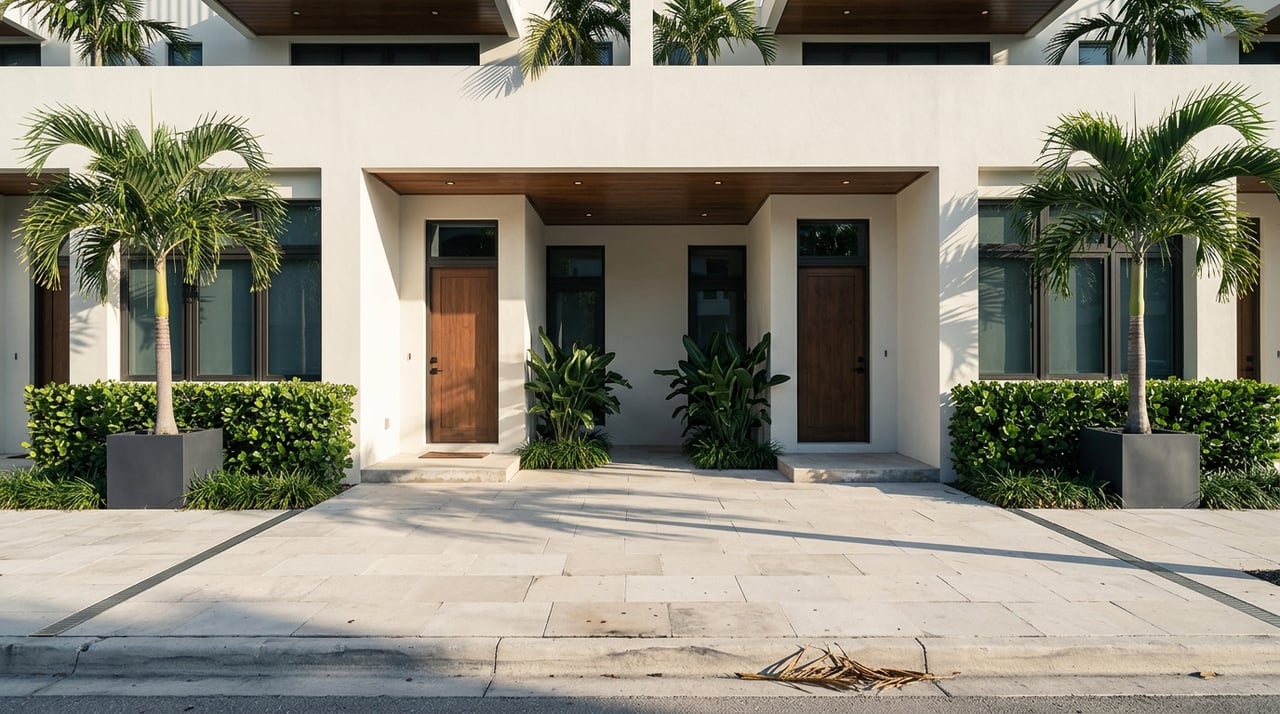
This arts and dining corridor stacks galleries, breweries, indie shops, and small food markets in a people-oriented setting. Newer townhomes and mixed-use projects have added options for buyers who want a short walk to dinner and events.
Crescent Lake
Residential streets frame Crescent Lake Park, a hub for jogs, dog walks, and informal meetups. If easy access to daily green space matters to you, this area often checks the box while staying within a manageable walk or bike to Central Avenue.
Warehouse Arts District and Edge/Central Arts
Converted warehouses, murals, galleries, and event nights give this area an urban-arts feel. The regional Pinellas Trail runs nearby and extends your car-light range for errands and recreation.
Housing types and price signals
Walkable blocks in St. Petersburg come with a mix of product types:
- Condominiums and mid to high-rise towers cluster downtown and along the waterfront. These buildings often include amenities like fitness centers and pools, with monthly association fees that cover shared services.
- Historic districts such as Old Northeast and Kenwood lean toward Craftsman bungalows and Mediterranean Revival homes on small lots. Porches and short blocks shape the walk-to-coffee vibe.
- Central Avenue and Grand Central have attracted newer townhomes and infill that trade large yards for proximity to shops, events, and transit.
Citywide market snapshots show a wide range by neighborhood and property type. As of early 2026, major listing portals reported a median sale price around the mid to high $500Ks for all home types in St. Petersburg, with waterfront and Old Northeast addresses commonly pricing above the city median. Expect meaningful variation block to block, and always confirm the latest neighborhood-level data before you write an offer.
Transit and micro-mobility that make it work
Car-light living is much easier when transit and small-trip options fill the gaps. St. Petersburg has several supports that add range and reliability to your walking radius:
- The PSTA SunRunner bus rapid transit corridor links downtown with key destinations along Central Avenue. PSTA reporting on SunRunner highlights improved travel times and a higher-frequency option on this spine.
- The Downtown Looper and Central Avenue trolley services are designed for short trips to dining, museums, and events. You can see routes and highlights on Discover Downtown’s printable map.
- The regional Fred Marquis Pinellas Trail gives you an off-street path that connects St. Pete with surrounding communities. It is useful for exercise and short errands alike. Explore route summaries on TrailLink’s St. Petersburg page.
If you plan to bike, scout dedicated lanes and trail access from your specific block. If you rely on transit, confirm walk times to your nearest SunRunner stop and Looper route. Consistent, short connections make car-light living realistic day to day.
What condo and flood due diligence looks like
Two topics deserve extra attention if you want a low-stress, walkable home in St. Petersburg: condo building health and flood status.
- Florida now requires many condominium associations to complete Structural Integrity Reserve Studies, milestone or recertification inspections, and to fund reserves tied to structural components. These rules can influence monthly fees and potential special assessments. Review the state’s overview in the DBPR condominium FAQs and ask sellers or associations for the most recent studies, meeting minutes, and budgets.
- Flood risk varies by block. Many waterfront or near-bay properties sit within FEMA special flood hazard areas where lenders typically require flood insurance. Use FEMA’s Flood Map Service Center to check a property’s flood zone at the parcel level and ask for any elevation certificates that may be available.
Before you commit, read HOA or condo parking policies and guest rules, verify storage and bike facilities, and note how loading zones or service areas could impact daily convenience. A few hours of document review can prevent surprises later.
A simple walk-first home search checklist
Use this quick framework to keep your search focused and practical:
- Map your ideal daily loop: coffee, market, park, evening dining. Time the walk or bike ride during a weekday and a weekend.
- Use Walk Score’s St. Petersburg map as an initial filter, then verify the exact route from the property you are considering.
- Pull a current neighborhood market snapshot to confirm a realistic budget band for your target blocks.
- Confirm flood status with FEMA’s Flood Map Service Center and ask about elevation certificates if the property is in a special flood hazard area.
- For condos and townhomes with associations, request the HOA or condo packet, current reserve study or milestone inspection report, several years of budgets, and any notices of special assessments. Review the DBPR FAQs for context.
- Check practical mobility: walk time to SunRunner stops, Looper or trolley routes, secure bike parking, and Pinellas Trail access. Use Discover Downtown’s printable map for the core.
- Review publicly available crime statistics and trends with official sources. The city’s Uniform Crime Reports are a good starting point, such as the St. Petersburg Police UCR snapshot. Compare across blocks and times of day.
Sample daily walking loops to try
Testing a route is the best way to confirm a neighborhood fits your life. Here are a few ideas to put on your weekend scouting list:
- Downtown and Beach Drive: Start with a coffee near Beach Drive, stroll the waterfront lawns of Vinoy and Straub parks, loop out onto the Pier for lunch, then walk back through the museum district for dinner. Expect 10 to 25 minutes between most stops.
- Old Northeast to the waterfront: Grab coffee on 4th or 7th Avenue North, walk tree-lined brick streets toward the water for a jog or bike ride, then head back through residential blocks for a quiet evening. Plan for 10 to 20 minutes each way depending on your block.
- Central Avenue and Grand Central: Begin with brunch near 28th Street, explore galleries and murals, pick up groceries or prepared foods for dinner, and circle back for a show. Most stops fall within a 5 to 15 minute walk.
As you test routes, note sidewalk quality, shade, lighting, and crossing points. Check how these feel at different times of day and on event nights.
Work with a local team that understands walkability
Choosing a home in a walkable area is about more than the front door. It is about daily convenience, building health, and long-term cost of ownership. If you want straightforward guidance backed by local know-how and a full-service approach to buying, selling, and rental management, connect with Pointer Property Group. Get your free home valuation or start a focused search built around your ideal walking loop.
FAQs
What are the most walkable parts of St. Petersburg?
- Downtown and Beach Drive, Old Northeast and Mirror Lake, Central Avenue and Grand Central, Crescent Lake, and parts of the Warehouse Arts and Edge districts offer strong walkable access to dining, parks, and cultural spots.
How does SunRunner transit support car-light living in St. Pete?
- The SunRunner bus rapid transit line runs along Central Avenue with higher frequency and improved travel times, which makes it easier to rely on transit for daily trips.
What should St. Petersburg condo buyers ask about building health?
- Request the latest Structural Integrity Reserve Study or milestone inspection, recent meeting minutes, current budgets, and any special assessment notices, and review DBPR guidance to understand obligations.
How can I check a St. Pete home’s flood risk before buying?
- Use FEMA’s Flood Map Service Center to look up the property’s flood zone and ask for any elevation certificates to estimate potential insurance requirements and costs.
What housing types are common in St. Pete’s walkable areas?
- You will see downtown condos and towers near the waterfront, historic bungalows in Old Northeast and Kenwood, and newer townhomes and mixed-use infill around Central Avenue and Grand Central.