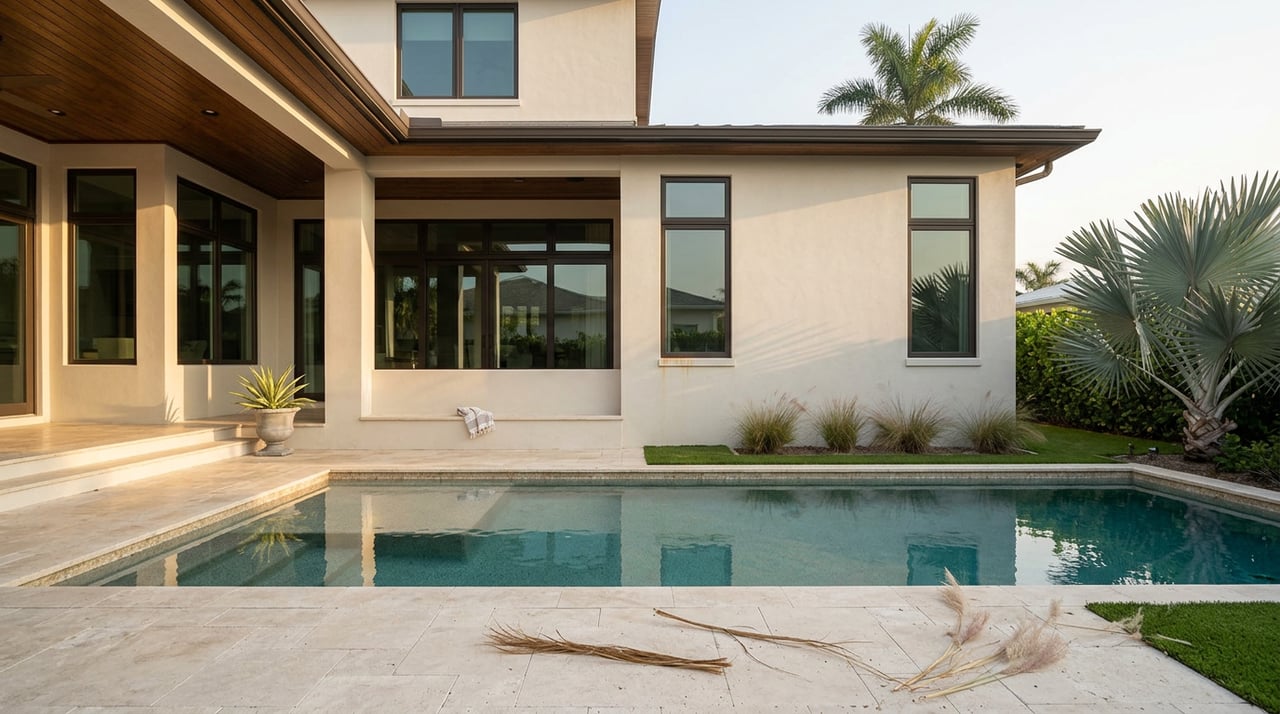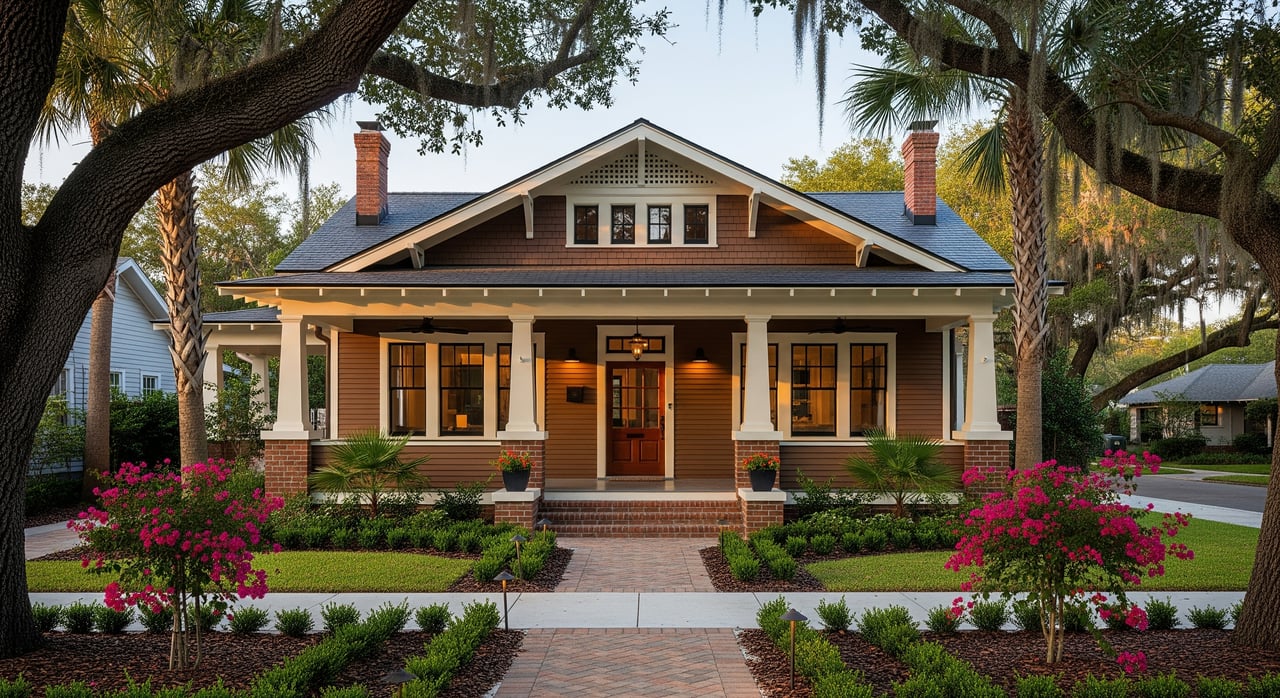
You love your Tampa bungalow for its character, but pricing it can feel tricky. Older homes have charm, quirks, and unique costs that modern buyers weigh closely. If you want to list with confidence, you need a clear plan grounded in local data and the details that matter in Hillsborough County. In this guide, you will learn how to gather the right comps, make smart adjustments, and set a price range that attracts qualified buyers while protecting your bottom line. Let’s dive in.
Know Tampa market drivers
Tampa’s market is active year-round, but spring and early summer are often busier. Unlike colder regions, Florida’s seasonal swings are softer because of steady in-state moves and second-home interest. Pay attention to current mortgage rates and local job trends. These factors can change buyer budgets and showing activity quickly.
Inventory sets the tone for pricing. Look at months of supply and days on market for similar bungalows near you. Low inventory supports stronger list prices and faster absorption. Rising inventory points to more competitive pricing to win attention.
Buyer priorities help you price and prepare. Many Tampa buyers want low-maintenance living, outdoor space, and proximity to downtown corridors. Second-home and investor buyers may focus on carrying costs and insurance. When you price, think like a buyer and how they will compare your home to nearby options.
Gather the right data
Start with recent sold comps from the last 90 days if possible. If activity is slow, expand to 6 to 12 months. Focus on similar bungalow or craftsman homes within 0.5 to 1 mile and in the same neighborhood if available. If you need to widen the search, choose closely comparable nearby areas and adjust for differences.
Collect property details from tax records and verified MLS data. Confirm bedrooms, bathrooms, heated square footage, lot size, and year built. Document days on market and list-to-sale price ratios so you can see how buyers are responding to similar listings.
Do a room-by-room condition review. Note roof age, HVAC, electrical, plumbing, windows, and foundation items. List improvements like updated kitchens, baths, or a new porch. Also capture risk and cost factors such as flood zone designation and any prior insurance claims if available.
Build a strong CMA
Choose sold comps that look and live like your home. Prioritize same architectural style, similar age and lot size, and within 10 to 20 percent of your square footage. Match bedroom and bathroom counts where possible. The closer the match, the less you need to adjust.
Adjust for meaningful differences. Make careful tweaks for condition, renovation quality, permitted square footage, lot size, porches and outdoor features, parking, and pool presence. Also adjust for flood zone, roof and HVAC age, and whether the property is in a historic district with exterior change limits.
Establish a price range, not a single number. Use multiple comps to identify a low, midpoint, and high scenario. This reflects uncertainty and gives you flexibility to align with your timing goals. Cross-check price per square foot, but use it carefully. Bungalows are smaller and unique features can cause big swings in $/sq ft.
Factor Tampa-specific risks
Flood zones and insurance
Flood risk can materially affect pricing because it changes lending rules and ongoing costs. Lenders often require flood insurance in special flood hazard zones. If your bungalow sits in one of these zones, buyers may factor the premium into their offers. Share elevation information and be transparent about flood history to build trust and reduce delays.
Wind, roof, and systems
Florida windstorm risk puts a spotlight on the roof, windows, and storm protections. Newer roofs, impact-rated windows, or permitted hurricane features can boost buyer confidence. Older roofs, deferred HVAC, or outdated electrical can reduce marketability. If upgrades are not feasible, price accordingly and disclose clearly.
Historic districts and permits
Parts of Tampa, like Seminole Heights, Tampa Heights, Hyde Park, and Davis Islands, have historic districts or conservation overlays. These rules can limit exterior changes, affect renovation costs, and attract buyers who value authenticity. If your home has unpermitted work, be upfront. Permitted improvements carry more reliable value.
Property taxes and homestead
Buyers look at total carrying costs. Hillsborough County tax assessments, current exemptions, and potential homestead eligibility all matter. Provide accurate tax details so buyers can forecast their expenses and make confident decisions.
Price for the market you have
Smart pricing heuristics
Your pricing strategy should match your goals. Pricing slightly below market can spark strong early interest and multiple offers in a fast market. Pricing at market often brings qualified buyers without scaring them off. Pricing over market can lead to more days on market and later reductions.
Be mindful of psychological price points. Many buyers search in round-number brackets. For smaller homes, that can mean a lot of visibility at the right price. A small adjustment could place your listing in a higher-traffic search range.
Appraisal and financing reality
If your buyer uses financing, the appraised value must support the contract price. Pricing far above recent comparable sales raises the chance of an appraisal gap. A well-supported CMA and documentation for upgrades can help. You can also consider a neutral professional appraisal before listing for extra confidence.
Pre-listing moves that pay off
Use a short pre-list checklist to improve your price position and reduce surprises.
- Consider a general pre-inspection and a WDO inspection to catch deal-stoppers early.
- If flood is a question, secure the elevation certificate so buyers and lenders have clarity.
- Prioritize high-ROI fixes: roof issues, HVAC service, safety or code concerns, and obvious moisture problems.
- Tackle light cosmetic updates. Fresh paint, simple landscaping, and porch touch-ups go far for bungalows.
- Stage for space. Small homes photograph differently. Use strategic staging and pro photography to show flow, storage, and outdoor living.
- Assemble documentation. Have permits, service records, and warranties ready for review.
Monitor early signals and adapt
The first 7 to 14 days
Your first two weeks on the market are critical. Track showings, saved-list counts, and feedback. If activity is below nearby comps, review pricing and marketing. Small price or presentation changes can reset momentum.
Offers, credits, and timing
Be ready to negotiate beyond price. Local norms include seller credits for repairs or closing costs. These can help bridge gaps without changing the list price. Also weigh buyer financing type and timeline. Cash or strong conventional buyers may justify a tighter price because they close more smoothly.
Know your net number
Prepare a net sheet before you list. Include payoff amounts, commissions, closing costs, repair estimates, and prorations. A clear net helps you judge offers quickly and prevent second-guessing later.
Example pricing walkthrough
Imagine two similar bungalows in the same neighborhood with recent comps showing a tight sale range. One has a newer roof, updated HVAC, and an inviting front porch. The other has an older roof, original HVAC, and limited storm protections. The first home could justify placement toward the high end of the range because buyers will perceive lower ongoing costs and risk. The second home may need to sit at the midpoint or slightly below, or pair its list price with a seller credit for updates.
Now add a flood zone variable. If the stronger-condition home sits in a flood zone that requires insurance, its advantage narrows. Buyers will factor the premium and potential deductibles into their offers. On the other hand, if the older-systems home is outside higher-risk zones and offers a dry history with documentation, it can close the gap even with systems due for updates. Local context and documentation are key.
Your pricing plan, step by step
- Pull 6 to 12 recent sold comps and 6 to 10 active or pending listings from nearby streets.
- Complete a condition audit focused on roof, HVAC, electrical, plumbing, windows, and moisture.
- Document flood zone status, elevation info, and any permits for past work.
- Adjust comps for condition, permitted square footage, outdoor spaces, parking, and risk factors.
- Set a low, target, and high price scenario aligned with your goals and timeline.
- Complete high-ROI prep, stage the home, and hire pro photography to highlight flow and porch living.
- Track showings and feedback. Reassess pricing or presentation after 7 to 14 days if needed.
- Keep a current net sheet so you can evaluate offers with clarity.
Ready to price with confidence
You do not have to guess your bungalow’s value. With the right comps, clear adjustments, and a plan to address Tampa-specific risks, you can list confidently and attract serious buyers. If you want a data-driven review and a pricing strategy tailored to your goals, reach out to our team at Pointer Property Group. Get Your Free Home Valuation and see your best path forward.
FAQs
How do I choose the right comps for a Tampa bungalow?
- Start with recent solds in the same neighborhood and style within 0.5 to 1 mile. If inventory is thin, expand to similar nearby areas and adjust for lot, condition, and features.
How does flood zone status affect price in Tampa?
- Flood risk can narrow the buyer pool and raise insurance costs, which buyers weigh in offers. Share elevation info and be transparent so buyers can budget accurately.
Should I fix everything before listing my bungalow?
- Prioritize safety and function. Address roof leaks, HVAC issues, and WDO concerns first. Light cosmetic updates and staging often deliver strong returns without overinvesting.
Do historic district rules make selling harder?
- Historic rules limit some exterior changes, which can narrow or refine the buyer pool. Many buyers value original character. Price with both appeal and restrictions in mind.
What if the appraisal comes in below the contract price?
- Provide the appraiser with strong comps and documentation. You can renegotiate price, the buyer can bring additional cash, or you can offer a temporary reduction to close the gap.