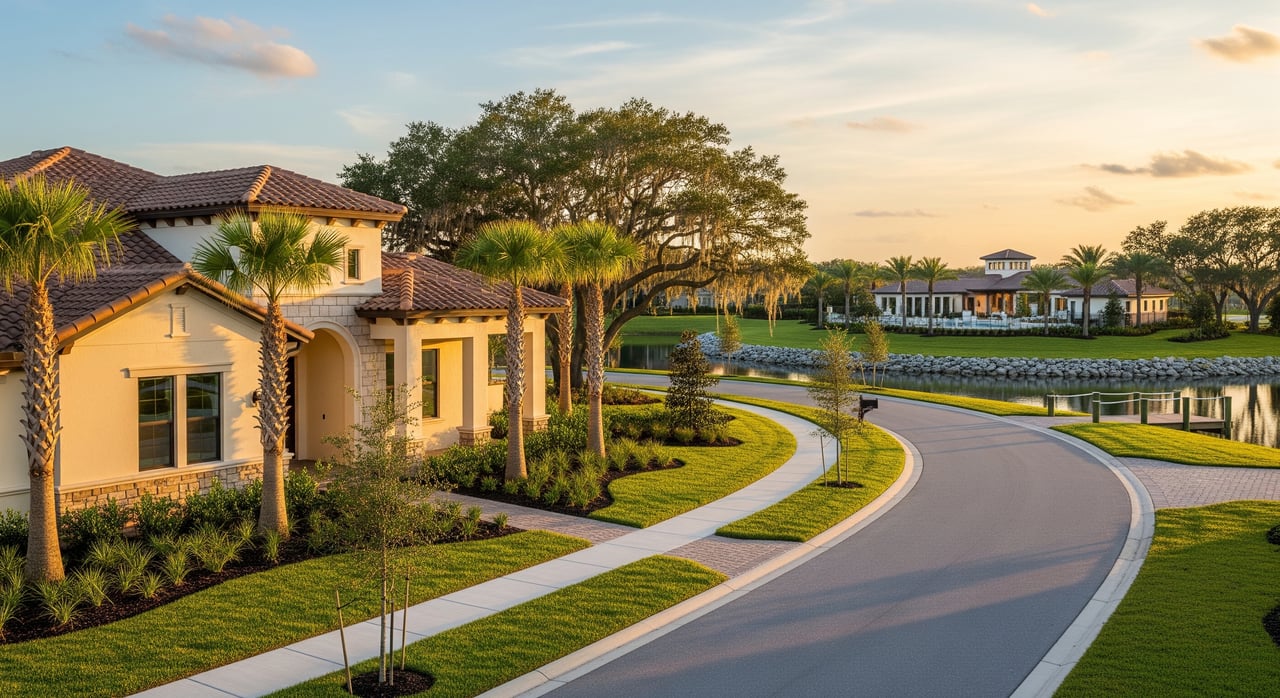
Choosing between shiny new communities in Parrish can feel overwhelming. Model homes look amazing, but the real differences hide in the details that affect your budget, timeline, and peace of mind. If you want a clear, local way to compare options, you’re in the right place. In this guide, you’ll learn what to ask, how to verify key facts in Manatee County, and how to build a side-by-side comparison that fits your goals. Let’s dive in.
Parrish new-build basics
New construction around Parrish is growing as development expands east in Manatee County. Subdivisions range from traditional tract neighborhoods to pockets with conservation buffers and occasional larger lots. Before you compare homes, confirm community details with official resources like Manatee County planning and permitting.
Parrish is in Florida’s hurricane zone, and some areas face inland or coastal flood risk. Flood zones and base flood elevations can affect design, timing, and insurance costs. Always check a property’s flood status through the FEMA Flood Map Service Center and review local floodplain rules with the county.
Construction in Florida must follow the Florida Building Code, including wind and structural standards. These rules shape roofing, windows, and other features that can influence your insurance. You can review state-level requirements through the Florida Building Commission’s code resources.
Use this comparison framework
Below is a practical way to compare three or more Parrish communities. For each category, write down what you know, what is pending, and what you still need to verify.
Community identity and stage
Note the developer and builder, the current phase, and the expected number of homes. A late-phase community can offer more closed comparables for appraisals, while early phases can bring more construction traffic.
Product and floorplans
List square footage ranges, number of bedrooms and baths, garage sizes, and whether single-story or two-story plans are available. Ask which options are structural and which are cosmetic. Upgrades can add 5 to 25 percent or more to the base price, so get a clear inclusions list.
Lot types and elevation
Identify interior, conservation-back, and waterfront or lakefront lots if offered. Ask whether lots are filled to meet base flood elevation, and request an elevation certificate if available. Lot type affects privacy, drainage, and whether you can add a pool later.
Price, upgrades, and incentives
Confirm today’s base pricing, which upgrades are included, and how change orders are priced. Ask about incentives like rate buydowns or closing-cost credits, and whether they require a preferred lender.
Utilities and connectivity
Confirm whether the community is on Manatee County water and sewer or uses private providers or septic. Ask about reclaimed water for irrigation and available internet providers. Utility setup and fees affect both convenience and monthly costs.
HOA and CDD costs
Get the HOA budget, what it covers, and the dues schedule. Many new communities use Community Development Districts to finance infrastructure. CDDs carry separate annual assessments that are added to your tax bill. In Florida, CDDs are governed by state law under Chapter 190, so ask for the district’s budget and debt schedule.
Amenities and open space
List the planned amenities, their status, and any promised timelines. Many subdivisions deliver amenities in phases. Verify completion schedules and whether funds are escrowed or bonded if amenities are important to you.
Warranties and inspections
Request the written builder warranty and any third-party structural warranty details. Plan to hire an independent inspector during construction if allowed, and again before your 11th month of ownership for a warranty follow-up.
Commute and daily needs
Map your drive to I-75, major shopping on SR 64, and nearby services. If school attendance zones matter to you, verify current zoning with the Manatee County School District. Keep this neutral and fact-based, since zoning can change.
Resale and rental factors
Note buyer profiles the community may attract, HOA rules that affect curb appeal or rentals, and any rental restrictions. If you are evaluating long-term or short-term rental potential, factor in HOA rules and community design.
Parrish buyer due diligence checklist
Use this quick list before you sign a contract. Ask for copies and keep them in one folder.
- Developer and builder identity, plus examples of completed projects in Manatee County.
- Proof of builder licensing via the Florida DBPR license lookup.
- Current phase map, recorded plat, and your lot’s site plan with easements and buffers.
- Flood zone status and any elevation certificate for your lot from the FEMA Flood Map Service Center.
- Itemized inclusions and upgrade pricing, with payment timing for options.
- Estimated build timeline, closing target, and policy for delays.
- HOA covenants and architectural guidelines, full budget, and meeting minutes if available.
- CDD formation documents, current budget, and assessment schedule. Ask how long the bond runs and how it is repaid.
- Utility provider details, connection and impact fees, and whether reclaimed water is available.
- Written warranty package, claims process, and dispute resolution steps.
- Copies of building permits, inspection sign-offs, and certificate of occupancy before closing.
Costs beyond the sticker price
Your monthly payment depends on more than the base price. In Parrish, plan for:
- HOA dues. Confirm what they cover, such as common area maintenance or lawn service.
- CDD assessments. These are common in new developments and can be significant. Always request the actual budget and assessment schedule.
- Insurance. Wind and hurricane exposure in Florida can affect premiums. Features that meet or exceed the Florida Building Code can help with wind mitigation credits, so ask what is included.
- Flood insurance where applicable. A lot in a flood zone may require coverage, and elevation can influence the cost.
- Property taxes and utility bills. Ask for estimates based on recent closings in the same phase.
For broader context on new-home buying, warranties, and budgeting, you can review consumer-friendly guidance from the National Association of Home Builders and Florida market updates from Florida Realtors.
Local pitfalls to avoid
A little homework goes a long way. Watch for these common issues and plan around them.
- Amenity timelines. Marketing often shows the finished vision before the facilities are built. Verify contractual timelines and whether funds are held to assure completion.
- Overlooking CDDs. Many buyers compare HOA dues but forget the CDD assessment that hits annually. Always ask for the district’s documents and current rates.
- Flood risk and fill. “Upland” on a plat does not guarantee higher elevation. Confirm fill and base flood elevation for your specific lot, and get the elevation certificate if available.
- Appraisal gaps. Early-phase homes or unique floorplans can face appraisal challenges due to limited comparable sales. Discuss the builder’s plan if an appraisal comes in low.
- Hurricane season delays. June through November can bring weather and supply chain impacts. Build buffers into your timeline and ask how the builder manages storm-related delays.
- Warranty follow-through. A good written warranty still depends on responsive service. Review the builder’s warranty process and keep all promises in writing.
- Landscaping and drainage. Confirm who is responsible for turf establishment, final grading, and long-term stormwater maintenance.
Simple comparison worksheet
Use this table as a starting point. Fill it out as you tour communities and review documents.
| Attribute | Community A | Community B | Community C |
|---|---|---|---|
| Developer and builder | |||
| Phase and estimated timeline | |||
| Home sizes and plans | |||
| Lot types and elevation status | |||
| Utilities provider and reclaimed water | |||
| HOA dues and what they cover | |||
| CDD annual assessment | |||
| Amenities and build status | |||
| Warranty terms | |||
| Flood zone and elevation certificate | |||
| Internet options | |||
| Distance to I-75 and key services | |||
| Notes and questions |
How Pointer Property Group helps
You deserve straight answers, clean comparisons, and a smooth path from contract to closing. Our team pairs local know-how with practical tools so you can verify flood status, read HOA and CDD budgets, and compare warranties and amenities with confidence. If you are weighing rental potential, we also advise on rules that affect long-term and short-term leasing so you can plan ahead.
Ready to compare Parrish communities with clear facts and a plan? Reach out to Pointer Property Group to get a custom worksheet, community documents, and local guidance from contract to keys.
FAQs
What is a CDD fee in a Parrish new community?
- A Community Development District funds infrastructure like roads and amenities and charges an annual assessment separate from HOA dues. Always request the CDD budget and assessment schedule and review how long the bond lasts.
How do I check a Parrish lot’s flood zone?
- Search the address on the FEMA Flood Map Service Center, then confirm base flood elevation and any elevation certificate for your specific lot with the builder and county records.
Are Parrish new homes built to hurricane standards?
- Yes, new homes must meet the Florida Building Code. Ask your builder which wind-resistance features are included, and review code information through the Florida Building Commission.
What inspections should I get for a brand-new home?
- Hire an independent home inspector before closing and consider an 11th-month warranty inspection. Review general new-home guidance from the National Association of Home Builders to plan your approach.
How do I verify a builder’s license in Florida?
- Use the Florida DBPR license lookup to confirm the contractor’s license and check for any complaint history.
When will amenities be finished in a new Parrish subdivision?
- Amenities often deliver in phases. Verify the schedule in the developer’s disclosures, ask if funds are escrowed or bonded, and get the timeline in writing before you commit.