Dreaming of waking up steps from the Gulf? On Anna Maria Island, beachfront living feels less like a high-rise resort and more like life in a low-key coastal community with strong local character. If you are thinking about buying a second home, a beach getaway, or a property you may use part-time, understanding how the island actually works can help you make a smarter decision. Let’s dive in.
What Beachfront Living Feels Like
Anna Maria is known for its deliberately residential feel. The city describes itself as a laid-back residential community, and official city materials note that there are very few commercial structures and no high-rise buildings within city limits.
That shapes the whole experience of owning here. Instead of a skyline packed with towers, you are more likely to find a setting defined by cottages, low-rise homes, and a quieter beach-town pace.
The area also has a strong seasonal rhythm. Local sources note that the resident count rises from October through April as seasonal residents return, so your day-to-day experience can feel different depending on the time of year.
Why Buyers Are Drawn to Anna Maria
For many buyers, the appeal goes beyond the water views. City materials highlight local wildlife like birds, dolphins, manatees, and loggerhead turtles, which adds to the island’s natural, residential identity.
This is one reason Anna Maria often appeals to second-home buyers and owners who want a slower coastal setting. It offers beach access and Gulf views, but the overall atmosphere is more relaxed and more residential than a dense vacation district.
If you want a beachfront property that feels connected to a real community, that difference matters. You are not just buying a view. You are buying into a lifestyle with local rules, seasonal patterns, and a strong sense of place.
Beach Rules Shape Daily Life
Living on the beach here also means respecting how carefully the shoreline is managed. City rules prohibit alcoholic beverages, glass containers, pets, grills or fires, bicycles, motorized vehicles on the sand, and launching or anchoring motorized vessels at the beach.
The city also requires beach furniture, equipment, and trash to be removed each day. In practical terms, the beach operates like a shared natural space, not a private extension of your property.
That can be a positive for buyers who value a clean, orderly beachfront environment. It also means you should go into ownership with clear expectations about what beach use does and does not allow.
Sea Turtle Season Matters
From May 1 through October 31, sea turtle nesting season adds another layer of responsibility. During that period, the city prohibits lighting that illuminates the beach after dark and requires temporary beach items to be removed from the sand at sunset.
If you own a beachfront home, these rules become part of your normal routine. They help protect the shoreline ecosystem, and they are an important part of the ownership experience on Anna Maria Island.
Getting Around the Island
One of the most appealing parts of Anna Maria living is that you may not need to drive for every outing. The free Anna Maria Island Trolley runs every day of the year between the Anna Maria City Pier and Coquina Beach from 6:00 a.m. to 10:30 p.m., with service roughly every 20 minutes.
There is also the Gulf Islands Ferry, which operates Wednesdays through Sundays between downtown Bradenton, the Anna Maria Island City Pier, and Historic Bridge Street Pier. For owners and guests, that creates another option for getting to and from the mainland.
Still, island access is part of the lifestyle. Manatee County notes that Anna Maria Island connects to mainland Bradenton by two drawbridges, so getting on and off the island is not quite the same as living inland.
Parking Takes Attention
Parking is tightly managed. The city requires cars to park with the flow of traffic and, where right-of-way parking is allowed, with all tires off the pavement.
That may sound minor, but it is part of everyday island ownership. When you live in a place with limited space and heavy seasonal demand, details like parking rules can have a real effect on convenience.
Dining, Shopping, and Errands
If you are picturing rows of beachfront restaurants and nonstop retail, Anna Maria may feel different than expected. The city identifies Holmes Beach as the island’s commercial center, while Bradenton Beach has more tourist-oriented activity.
That means Anna Maria proper is largely residential, with more dining and shopping energy found toward the middle and southern parts of the island. For many buyers, that is a feature, not a drawback.
You get a quieter home base while still having access to casual dining, shops, and everyday conveniences nearby. It is a lifestyle built around balance rather than constant activity.
What Property Types You Can Expect
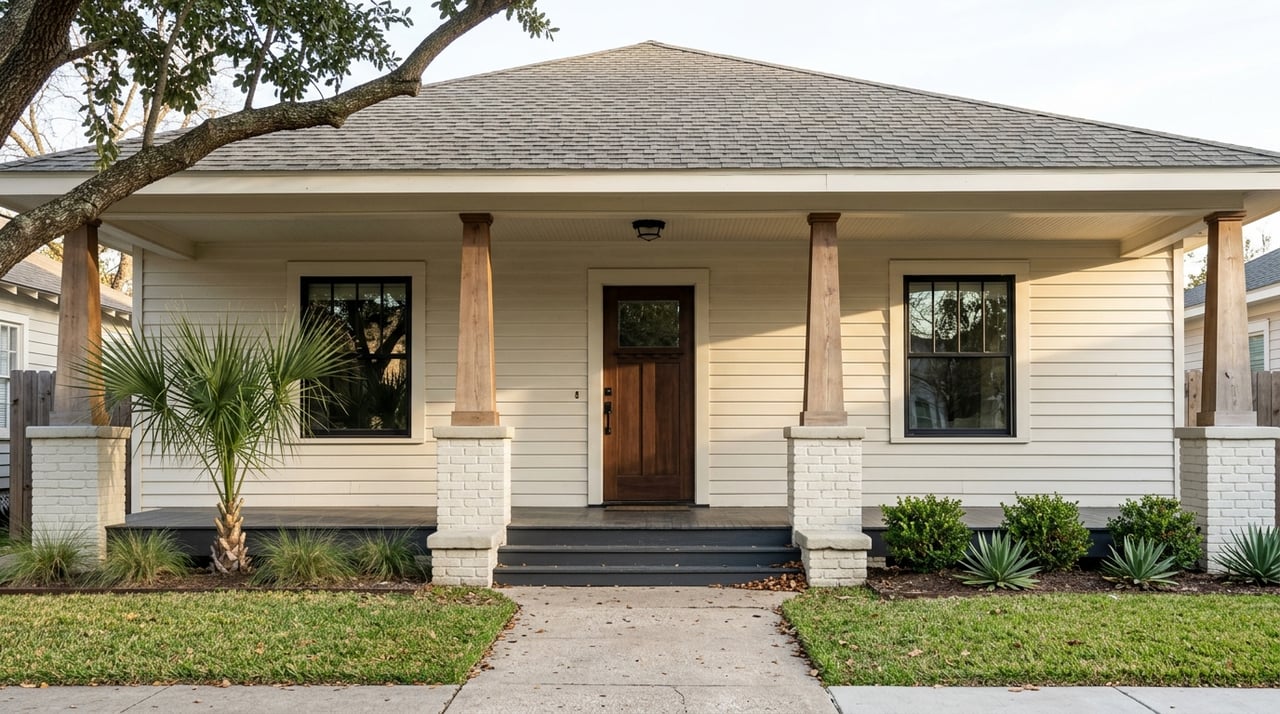
Beachfront inventory on Anna Maria Island tends to reflect the island’s low-rise character. Local sources describe accommodations and housing that range from beach-side cottages and bungalows to luxury homes, condos, and villas.
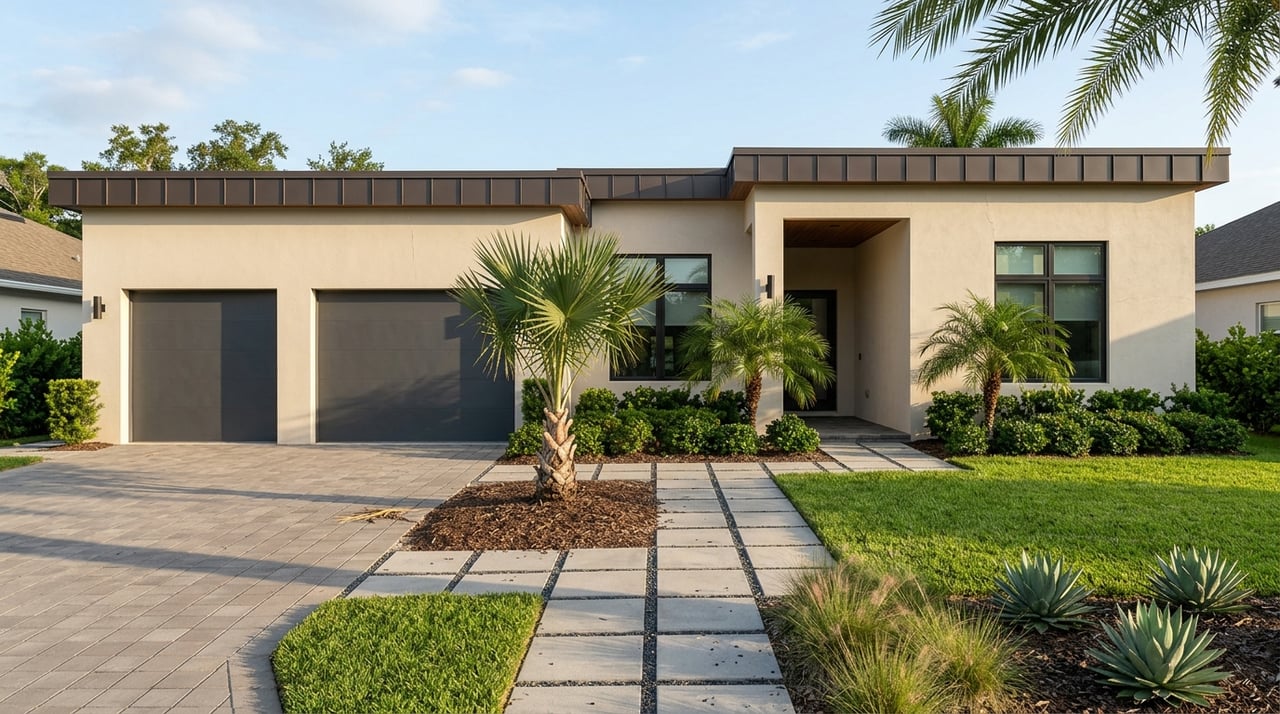
Because the city has no high-rise buildings in its limits, tower-style beachfront living is not part of the Anna Maria market. Buyers should expect lower-profile coastal housing that fits the scale of the community.
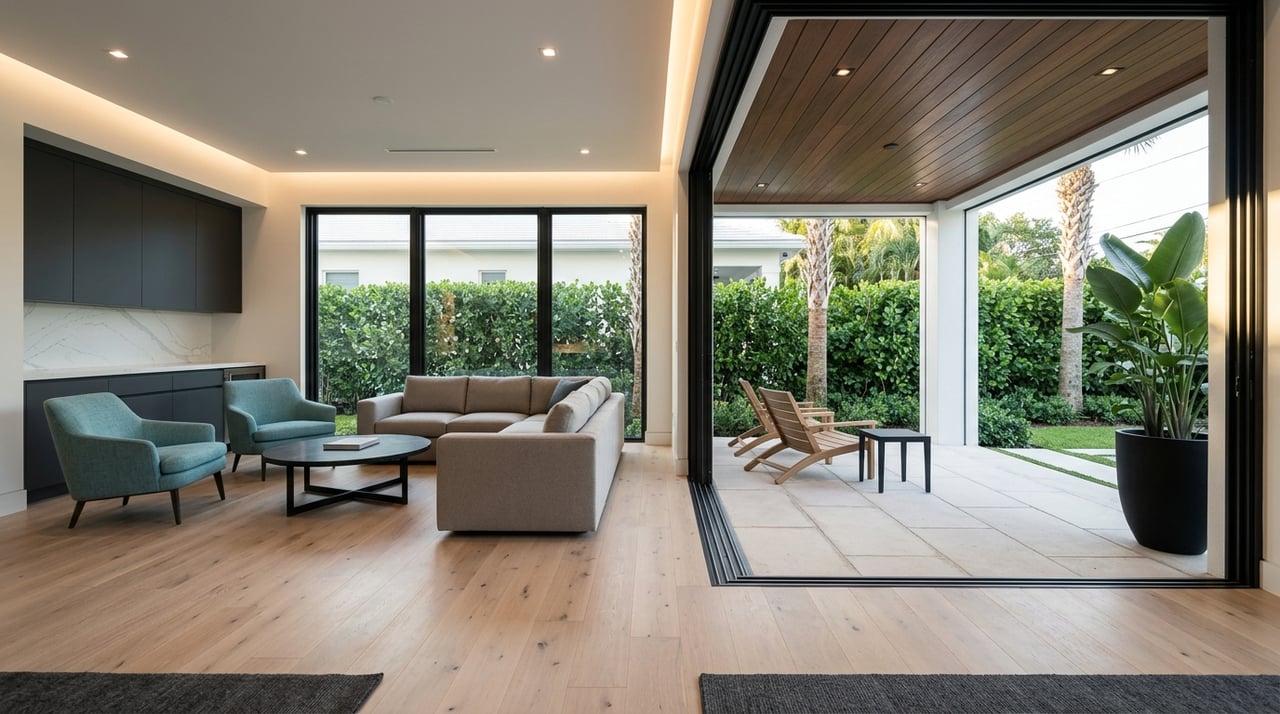
That variety can appeal to different goals. You may find a classic cottage feel, a larger elevated single-family home, or a condo option, depending on your budget and intended use.
Why Coastal Construction Feels Different
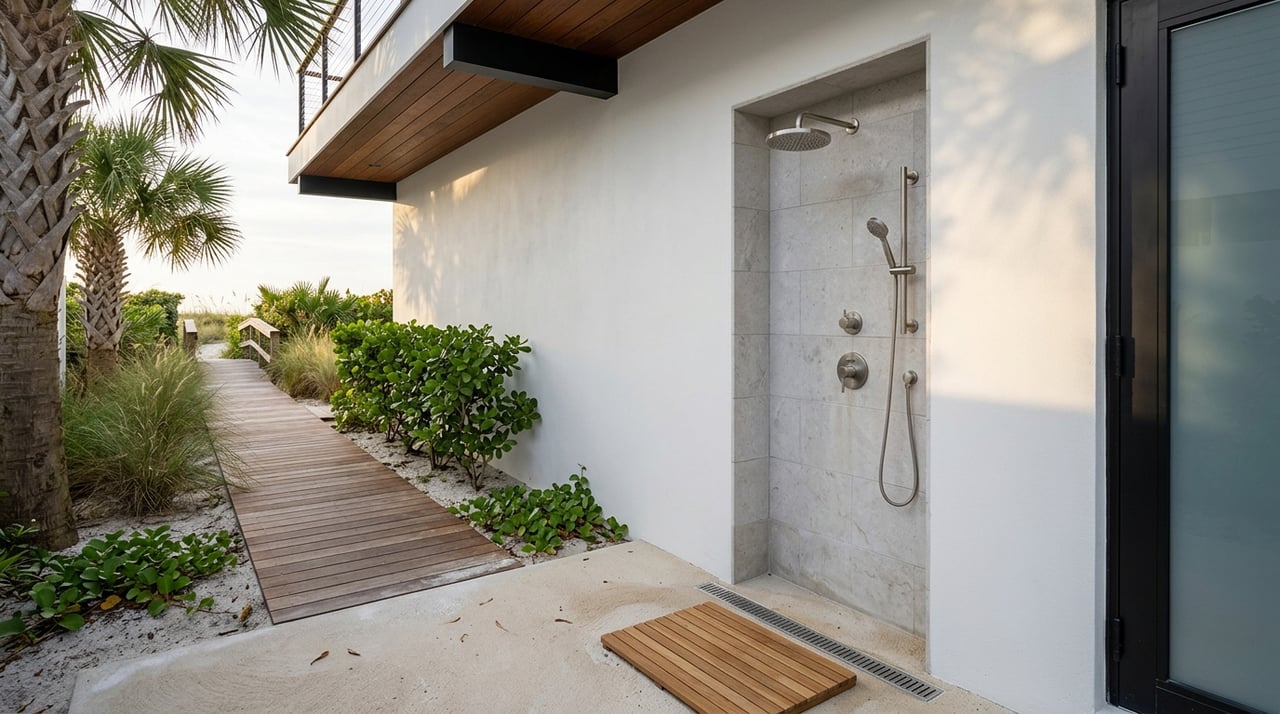
Beachfront homes here often look and function differently from inland Florida properties. The city’s building-code information references flood damage prevention, the Coastal Construction Control Line, and coastal high-hazard area requirements.
City code also notes that construction plans in coastal high-hazard areas must address details like pier and pile elevations, the lowest horizontal structural member, and breakaway wall certification. For buyers, the takeaway is simple: beachfront ownership comes with a construction and design context that is more specialized than typical inland housing.
What Second-Home Buyers Should Know
Many Anna Maria owners are part-time residents. The city’s own materials note that many property owners are not full-time occupants, which makes the market especially relevant for buyers considering a second home.
That said, second-home ownership here is not just about locking the door and leaving. You will want a clear plan for storm season, property upkeep, beach-rule compliance, and any rental activity you may consider.
Atlantic hurricane season runs from June 1 to November 30, so weather planning is part of coastal ownership. If you are buying with flexibility in mind, it helps to think through how the property will be cared for throughout the year.
Vacation Rental Rules Are Strict
If you are considering a beachfront home that you may rent part-time, it is important to know that short-term rentals are regulated. The city requires owners to submit annual registration documents, including a Florida transient public lodging license, Florida Department of Revenue registration, evidence of a Manatee County Tax Collector account, and site and interior sketches.
A new rental may not be advertised or rented until the city gives written authorization. Renewal applications should be submitted at least 45 days before expiration.
The city also states that quiet hours for pools and spas run from 10:00 p.m. to 8:00 a.m. Combined with beach-use rules, that reinforces an important point: Anna Maria supports vacation rental activity, but it continues to operate as a close residential community.
For buyers, that means compliance is part of the investment conversation from the start. If you want a property that can serve both personal use and rental goals, it helps to work with a local team that understands both the purchase side and the operational side.
How to Decide if Anna Maria Fits
Beachfront living on Anna Maria Island is best for buyers who want a residential coastal setting with a slower pace and clear local standards. It may be a strong fit if you value low-rise surroundings, natural beauty, and the ability to enjoy the beach without the feel of a dense resort corridor.
It may require a little more planning than some buyers expect. Transportation, parking, storm season, beach rules, and rental compliance all play a role in how ownership works here.
That is why local know-how matters. When you understand not just the property, but also the day-to-day realities of the island, you can buy with more confidence and fewer surprises.
If you are exploring beachfront homes, second-home opportunities, or vacation-rental properties on Anna Maria Island, Pointer Property Group can help you navigate the local market with honest advice, responsive service, and practical guidance from search to ownership.
FAQs
What is beachfront living like on Anna Maria Island?
- Beachfront living on Anna Maria Island feels more residential and low-rise than resort-like, with few commercial structures and no high-rise buildings in the city.
Can you get around Anna Maria Island without driving?
- Yes. The free Anna Maria Island Trolley runs daily between the Anna Maria City Pier and Coquina Beach, and the Gulf Islands Ferry offers another connection to downtown Bradenton on select days.
Are Anna Maria Island beaches heavily regulated?
- Yes. City rules prohibit things like pets, alcohol, glass containers, grills, bicycles, and motorized vehicles on the sand, and beach equipment must be removed each day.
What types of beachfront properties are common on Anna Maria Island?
- Buyers can expect low-rise coastal options such as beach cottages, bungalows, elevated single-family homes, condos, and villas rather than tower-style buildings.
Can you use an Anna Maria Island home as a vacation rental?
- Potentially, but the city has strict requirements. Owners must complete annual registration and receive written city authorization before advertising or renting a new short-term rental.
What should Anna Maria Island homeowners plan for each year?
- Homeowners should plan for hurricane season from June 1 to November 30, sea turtle nesting season from May 1 to October 31, beach-rule compliance, parking rules, and any rental registration requirements.